When a rug becomes part of the architecture: The De Dimora approach to custom rug design
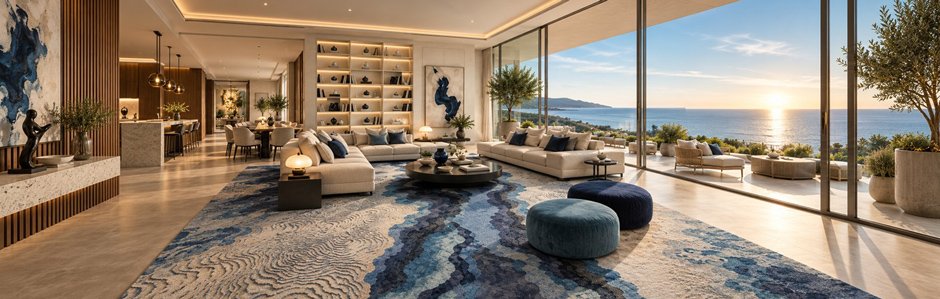
A rug can do far more than complete an interior. Designed as part of the space from the beginning, it can define proportions, connect colours and materials, and contribute to the overall architectural language of a project.
A bespoke rug therefore begins with the space itself, not a pre-existing design.
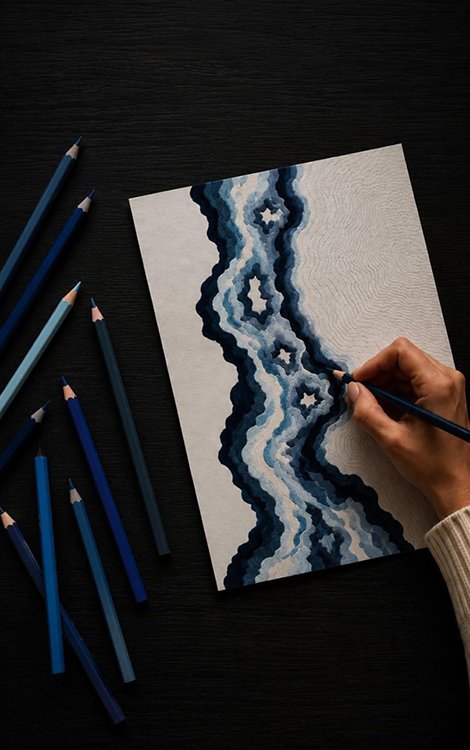
At De Dimora, the starting point can be almost anything: an idea, a sketch, a photograph, a fabric, an architectural detail, or simply the colours and atmosphere of a space. From there, each element of the rug develops in dialogue with the project, from dimensions and shape to colour, material, and production technique.
From inspiration to a bespoke design
The first step is to understand the visual language of the space.
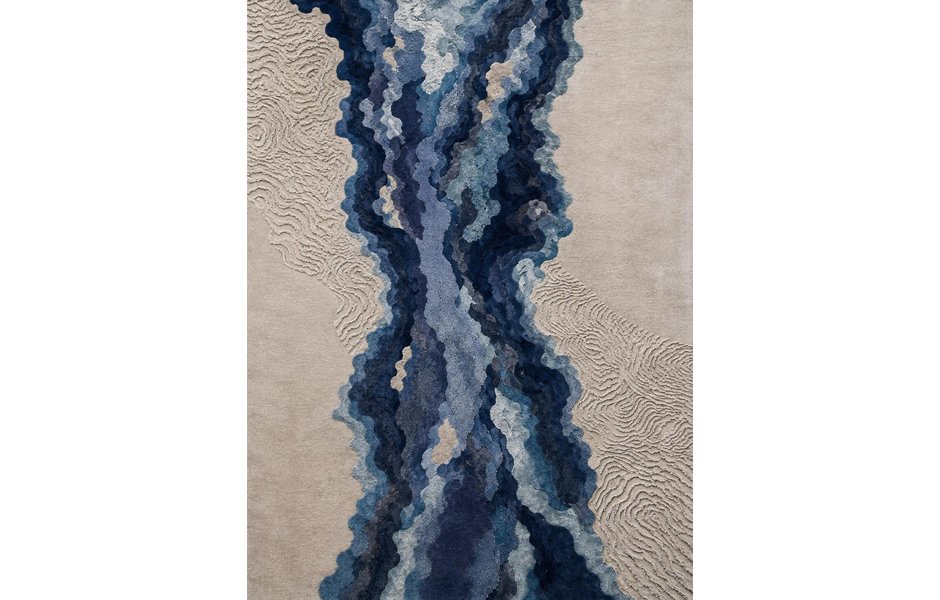
A bespoke rug can echo the geometry of the architecture, reinterpret a detail already present in the space, or introduce a new focal point. Curves, abstract compositions, geometric patterns and tonal surfaces can be developed to respond to the character and proportions of the interior. The result is a rug that feels considered from the very beginning, an integral part of the design rather than an element added at the end.
From design to the final piece
De Dimora works closely with architects and interior designers to transform an idea into a rug that is made specifically for the project. Every detail — from colour and material to shape, size and texture — is considered in relation to the space and its overall design.
Colour, material and texture
The choice of colour and fibre is an essential part of the design. De Dimora offers a wide selection of materials, including silk, Tencel, wool, viscose, cotton, polyamide, polypropylene and Econyl, allowing each rug to achieve a different character, from soft and understated to rich and highly tactile.
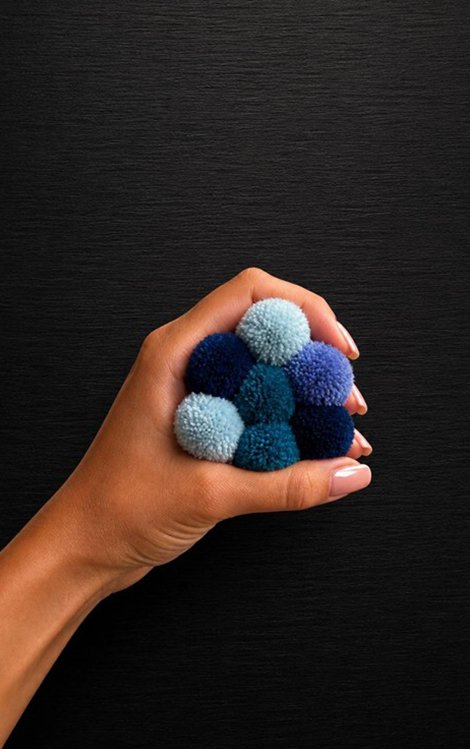
Colours can be selected from De Dimora’s own pompom collections, Pantone references or Ars colour systems. This makes it possible to develop a palette that works naturally with the fabrics, finishes, furniture and architectural elements already present in the space.
The material itself also becomes part of the design. Different fibres create different levels of softness, sheen, depth and texture, giving the surface its own visual identity.
Designed around the space
Size and proportion are just as important as colour and material. A rug can connect the different elements of a room, define a particular area, or create a sense of continuity throughout the interior.
For bespoke projects, the shape can be developed specifically around the architecture. Beyond the traditional rectangle, rugs can take on organic, irregular or entirely custom forms, responding to the lines and proportions of the space.
This approach is particularly suited to residential interiors, hospitality, boutiques, showrooms, offices, yachts and other high-end environments where every element contributes to a coherent design. De Dimora develops each rug as an integral part of that vision.
From concept to production
Once the design, colours and materials have been defined, the project moves seamlessly into production, where craftsmanship and technology come together to bring the original vision to life. For hand-tufted and hand-knotted rugs, the design is translated onto the loom and carefully crafted by skilled artisans. For mechanized rugs, the artwork is converted into a digital file and precisely interpreted through advanced manufacturing techniques.
Every stage is carefully controlled to preserve the integrity of the original design, ensuring that the final rug reflects the intended colour, texture, proportion and character.
The result is a seamless transition from creative concept to a highly crafted, fully personalized surface.
A bespoke rug, integral to the interior
The most successful projects are those in which the rug is considered from the very beginning, not as a finishing touch, but as an integral part of the interior concept.
When colour, proportion, material and shape are developed in dialogue with the architecture, the rug becomes a connecting element, bringing together the different components of the space and reinforcing its overall identity.
At De Dimora, every bespoke rug is conceived as part of the architecture:
designed to belong to the space, rather than simply occupy it.